Low cortisol aim or high-energy flicks for Valorant consistency
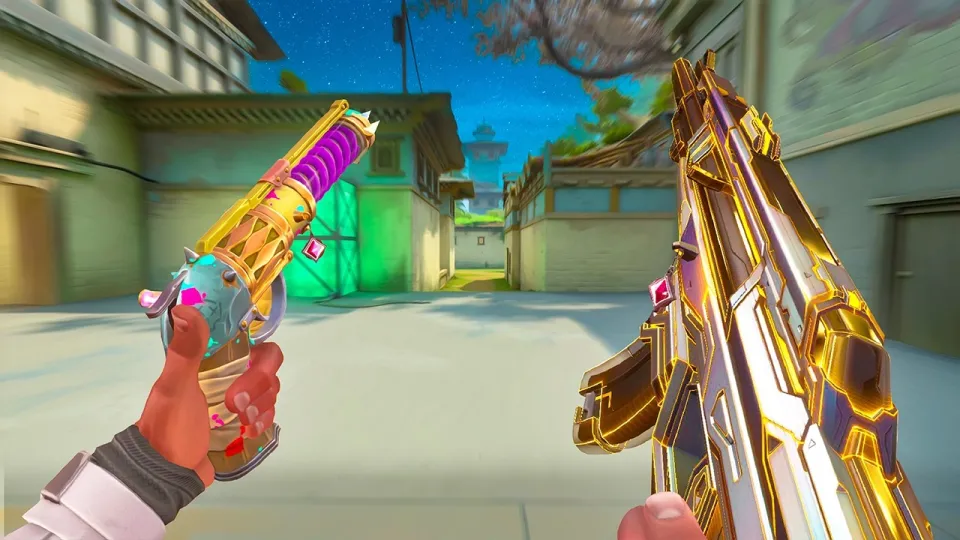
Video: low cortisol aim..
Want articles like this for your own video to promote it on YouTube and Google? Order them through the Telegram bot @sat_sit_bot. The bot writes and publishes the articles itself (with your YouTube video embedded) on popular topical websites (no ads). Try it free: 50 articles on us.
Low cortisol aim in Valorant is a calm, repeatable style of crosshair control built on pre-aim and micro-adjustments instead of adrenaline-driven flicks. It works best for players who already know the maps and want their duels to feel identical every round, and Rawzu's Phoenix gameplay is a clean example of the approach. You can optimize your PC for Valorant first, because frame stability is the foundation any calm aim style is built on.
What low cortisol aim actually means in Valorant
Low cortisol aim describes a deliberate, low-stress aiming routine where the crosshair is already in the right place before the enemy appears. Instead of snapping across the screen after a target shows up, the player holds an angle at head height, tracks small corrections, and lets the enemy walk into the shot. The name is a joke about staying chemically calm under pressure, but the mechanic behind it is real: fewer large mouse movements mean fewer misses caused by overflicking.
In practice the style has three pillars:
- Crosshair placement at head level on every common angle, including off-angles near the site entrance.
- Micro-adjustments of a few pixels rather than wide swipes, which keeps the wrist and forearm relaxed.
- Deliberate peeks with a stop before the shot, so the first bullet leaves the gun while the player is nearly still.
This is why the term keeps appearing next to "calm aim" and "satisfying clips" in the Valorant community. The visible result is a player who looks unhurried even during a 1v3 retake.
How Rawzu's Phoenix gameplay shows the style
Rawzu's Phoenix play is built around the agent's kit rather than raw speed, which is exactly what a calm aim approach needs. Phoenix is an offensive duelist who hunts enemies while crippling their ability to fire back, and every part of his kit supports a controlled entry.
- Curveball flashes enemies even when they are tucked behind corners, so the player can pre-aim the most likely swing angle while the blind is still popping.
- Blaze creates a wall that blocks vision and deals damage, letting Phoenix cross open ground without exposing himself to a full site of rifles.
- Hot Hands provides area denial and self-healing, which extends a duel long enough for a calm second shot instead of a panic spray.
- Run it Back is the ultimate safety net: it lets Phoenix push aggressively, die, and return to the same spot with full health, so a failed entry costs tempo rather than the round.
The takeaway is that the agent rewards players who plan the first three seconds of a duel. A flash into a wall of fire is a scripted sequence, and scripted sequences are the opposite of reactive flicking.
Sensitivity, resolution and crosshair settings behind the calm aim
Rawzu's published settings are a useful reference point because they are on the slower, more controlled end of the Valorant spectrum. Sensitivity is 400 DPI with 0.625 in-game, which converts to roughly 250 eDPI — a range that favors arm movement and stable tracking over wrist flicks. Resolution is 1440x1080, a stretched 4:3 variant that widens player models on screen and makes small head-level corrections easier to read.
The crosshair is set to 1-6-2-2, a compact setup: thin lines, short length, small gap. A small crosshair hides less of the target and trains the eye to look at the center of the screen rather than at the shape of the reticle. If you copy these values, change one variable at a time and give each change at least a few deathmatches before judging it.
Peripherals listed for the setup:
- Mouse: Logitech G Pro X Superlight 2
- Mousepad: Artisan Zero Soft
- Monitor: Zowie XL2566K at 360Hz
None of these items aim for you, but a consistent pad surface and a high refresh rate reduce the small inconsistencies that push players into overcorrecting.
Why frame stability matters more than raw sensitivity
A calm aim style collapses when frame times spike, because the crosshair and the visible enemy stop matching. That is why hardware optimization is part of the conversation around low cortisol aim rather than a separate topic. Stutter during a Phoenix entry turns a planned two-tap into a spray, and no sensitivity value fixes it.
A practical checklist before chasing settings:
- Cap the frame rate at a value the machine holds consistently rather than an unstable maximum.
- Close background applications that steal CPU time during rounds.
- Verify the monitor is actually running at its rated refresh rate in the display settings.
- Test the mouse polling rate and confirm the pad is clean and flat.
Rawzu points viewers toward a PC optimization service for Valorant, which fits the logic: stable frames first, then sensitivity tuning.
Common questions from viewers about this playstyle
Viewers regularly ask whether this kind of aim is transferable or just highlight-reel luck, and the honest answer is that it is a habit, not a talent. The clips look effortless because the decisions happen before the shot: which angle to hold, when to flash, when to wall. Anyone can rehearse those decisions in deathmatch and custom lobbies.
The second recurring question is about movement. A calm crosshair means little if the player wide-swings every corner, so the recommendation is to pair the aim style with disciplined counter-strafing and short peeks. Third, players ask whether a slower sensitivity is required. It is not — the 400 DPI and 0.625 combination is one working example, not a rule, and players with limited desk space often do better on a slightly higher value.
Finally, there is the volume question. Loud, hype-driven audio pushes players toward reactive play, and several viewers noticed the difference between the calm visual style and the sound design. Lowering in-game music and keeping voice comms clear helps maintain the same headspace in ranked as in a highlight clip.
Useful links
- Optimize your PC for Valorant — performance tuning for stable frames.
- Rawzu's original music on Spotify — the artist page behind the channel's sound.
- Rawzu Discord community — discussion, clips and settings talk.
Final thoughts on building a calm Valorant aim
Low cortisol aim is less about suppressing emotion and more about removing reasons to panic: correct crosshair placement, a repeatable peek, and hardware that does not stutter. Rawzu's Phoenix footage makes the case well, because the agent's flashes, wall and ultimate all reward a player who decides before the duel starts rather than during it. Copy the settings only as a starting point, then spend the real time on pre-aim and movement discipline. If your frames are the weak link, start with PC optimization for Valorant and tune the rest afterward. This breakdown was put together around the Rawzu channel's calm-aim style and its published configuration.
Key takeaways
- Low cortisol aim is a Valorant term for calm, low-adrenaline crosshair control rather than reactive flicking.
- Rawzu runs 400 DPI with 0.625 in-game sensitivity, a 1440x1080 resolution and crosshair code 1-6-2-2.
- His setup: Logitech G Pro X Superlight 2, Artisan Zero Soft mousepad and Zowie XL2566K 360Hz monitor.
- Phoenix combines Curveball flashes, Blaze walls, Hot Hands and the Run it Back ultimate for aggressive duels.
- The low cortisol style favors repeatable micro-adjustments and pre-aim over speed-driven peeks.
Questions & answers
What does low cortisol aim mean in Valorant?
It is community slang for a calm, low-adrenaline aiming style based on pre-aim, head-level crosshair placement and small micro-adjustments instead of fast reactive flicks. The goal is to make every duel feel repeatable rather than improvised.
Should I copy Rawzu's 400 DPI and 0.625 sensitivity?
It is a reasonable starting point at roughly 250 eDPI, which suits arm-driven aiming and stable tracking. It is not mandatory — players with limited desk space often perform better on a slightly higher value, so change one setting at a time and test it in deathmatch.
Why does Phoenix fit a controlled aiming style?
Phoenix's Curveball flashes enemies behind corners, Blaze blocks vision and deals damage, Hot Hands adds healing and area denial, and Run it Back lets him re-enter a fight after dying. All of these reward a player who plans the first seconds of a duel instead of reacting late.
Is PC optimization really relevant to aim?
Yes, because frame drops and stutter break the link between what you see and where your crosshair is, which forces overcorrection. Stable frame times and a confirmed high refresh rate matter more than small sensitivity tweaks.
Source: low cortisol aim.. · Markdown version